 By
By Air Jordan vs Standard Nike Sneakers: Core Distinctions Decoded
Walk into any sneaker shop in 2026 and you’ll see Air Jordans next to mainline Nike shoes like the Air Force 1, Air Max, and Dunk — but despite having a corporate parent, these sneakers inhabit notably different lanes in terms of creative direction, price point, cultural significance, and target demographic. The mix-up is understandable: Jordan Brand runs under the Nike banner, every Air Jordan carries Nike Air technology, and both brands use the same supply chains. Yet the gaps are substantial and worth understanding, especially when figuring out where to put your footwear spending. Air Jordans carry steep prices that can be twice or three times similar Nike sneakers. This breakdown investigates the key differences across brand DNA, design, technology, price tiers, cultural capital, and resale dynamics.
Brand Identity and Corporate Structure
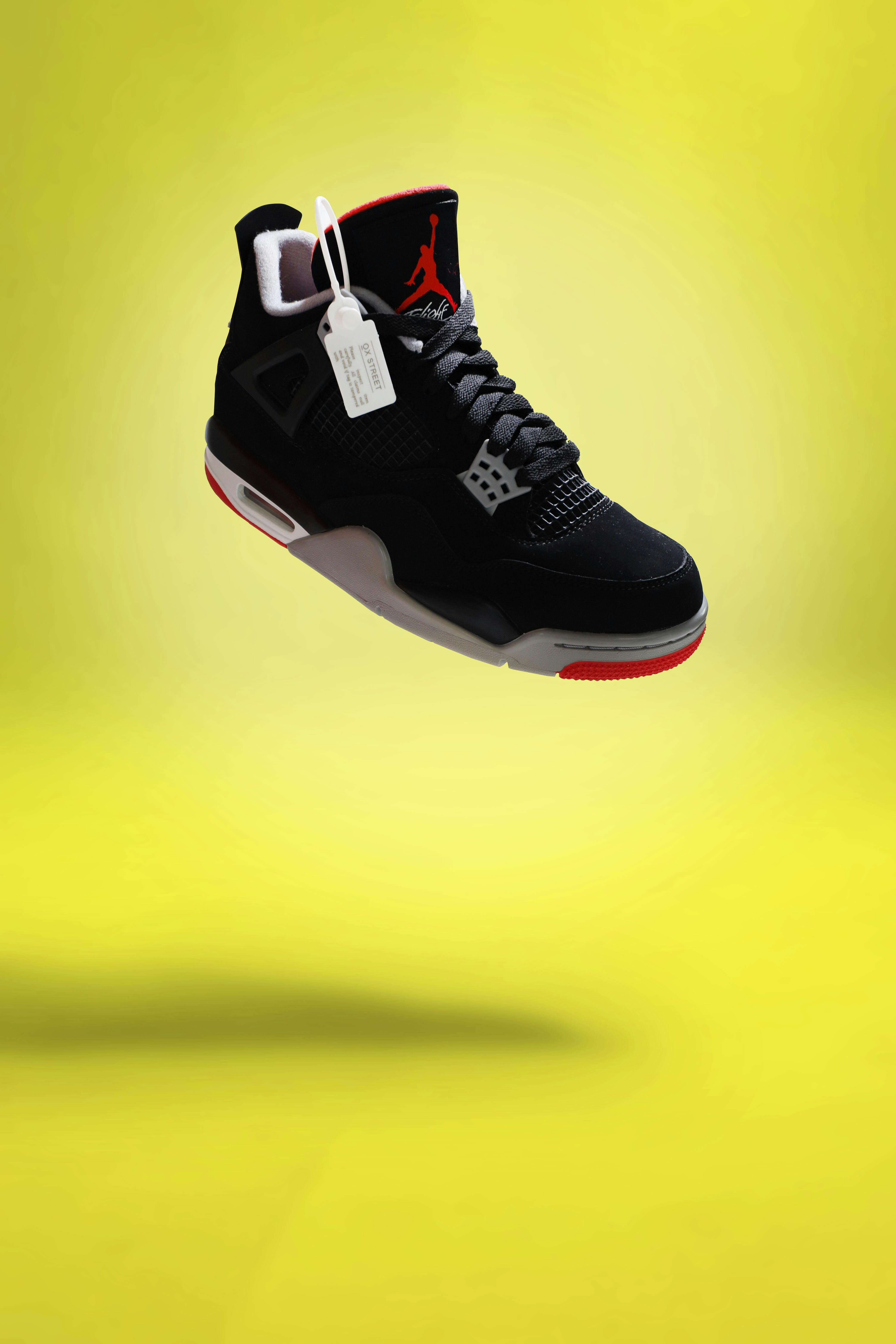
Jordan Brand runs as a division of Nike, Inc., but operates with substantial self-governance shaping design direction, brand marketing, and sales distribution. Nike secured exclusive licensing to Michael Jordan’s brand in 1984 with a five-year, $2.5 million partnership that has since grown into a partnership valued at an estimated $150 million per year in royalties to Jordan personally. In 1997, Nike publicly split the Jordan brand into its own company with a dedicated design team, promotional team, and brand president — currently Craig Williams, who oversees a brand that produced approximately $6.6 billion in sales during fiscal year 2025. Standard Nike shoes sit under the broader Sportswear and Basketball units, sharing budgets and brand value across dozens of product lines from running to fitness to everyday. The Jumpman emblem — silhouetted from a iconic photo of Jordan during the 1988 Slam Dunk Contest — is a separate trademark from the Nike Swoosh and symbolizes a distinct persona that customers regard as more exclusive and luxurious. This business framework means Jordan Brand regulates product placement more closely, constraining supply to preserve demand in ways that the broader Nike lineup, with its wide-distribution strategy, generally avoids.
Design Approach and Style
The creative direction behind each brand diverges fundamentally in creative origin and design ambition. Every signature Air Jordan shoe was created to express Michael Jordan’s personality and interests — the Jordan 9 drew from international design elements, the Jordan https://jordanairshoes.com 15 from a F-15 jet, the Jordan 33 from outer space. Nike’s regular lines favor broad appeal and broad appeal, yielding enduring shapes like the Air Force 1 and Air Max 90 that are universally appealing rather than concept-heavy. Jordan Brand employs a smaller design staff that generates fewer models but invests more energy into each, building more impactful individual identities. Material choices on Jordans skew toward the innovative — patent leather, elephant print, carbon fiber — while Nike general shoes stick to established palettes. Collab approaches also split: Jordan collaborates with fashion houses like Dior and A Ma Maniére, while Nike teams up more expansively across performers and athletes.
Technology and Performance
Both brands rely on Nike’s in-house technologies, but how they deploy it differ. Jordan court shoes commonly introduce new technologies first — the Jordan 28 premiered a Flight Plate that later informed Nike’s broader catalog. Jordan’s performance line blends Zoom Air, React foam, and Formula 23 midsole tech in original setups. Standard Nike basketball models like the LeBron and KD models feature the same foundational tech but are tuned for different wearers’ movement patterns. For everyday and retro shoes, the divide shrinks — a retro Air Jordan 1 and an Air Force 1 both employ basic encapsulated Air. Nike’s running department spearheads in cushioning innovation with ZoomX and Alphafly, technologies absent from Jordan offerings since the brand doesn’t produce running shoes. The bottom line: for basketball, both brands provide comparable tech, but Jordan focuses innovation on a more focused catalog.
| Attribute | Air Jordan | Mainline Nike |
|---|---|---|
| Average Retail Price | $180–$250 | $90–$180 |
| 2025 Revenue | ~$6.6 billion | ~$45 billion (total Nike) |
| Distribution Approach | Restricted, controlled | Broadly available plus limited |
| Main Logo | Jumpman | Swoosh |
| Average Resale Value | 120–400% of retail | 80–150% of retail |
| Core Audience | Collectors and enthusiasts, 18–40 | General consumer, all ages |
| Sport Categories | Hoops, Lifestyle, Golf | Running, Hoops, Training, Soccer, and more |
Pricing and Worth Proposition
The price difference is one of the initial factors customers observe. In 2026, Jordan retro models are priced between $180 and $250, while comparable Nike lifestyle sneakers retail between $110 and $170 — a 40-60% price increase for the Jordan name. This markup is driven by better materials, more restricted manufacturing, Jordan licensing fees, and cultural cachet that supports willingness-to-pay. For competitive basketball, the divide is less pronounced — a Jordan Tatum 3 is priced around $130 while a Nike KD 17 is priced at $150. The value equation changes dramatically on the aftermarket, where exclusive Jordans frequently sell for 200-500% of original price while most Nike standard releases drop below retail within a few months. For straightforward function at a affordable price, Nike provides superior value; for prestige and investment upside, Jordans warrant the markup.
Cultural Significance and Cultural Capital
The cultural impact of Air Jordans far surpasses any standard Nike product line. Jordans are connected with Michael Jordan’s story — six titles, five MVPs, ten scoring titles — and every pair possesses an inherent association with the greatest athlete of the 20th century. In hip-hop, Jordans have been cited in over 5,000 hip-hop tracks since 1985, compared to approximately 2,000 for all other Nike shoes put together. The sneaker resale economy, valued at over $10 billion in 2026, sources 35-40% of transaction volume from Jordan releases on marketplaces like StockX. Online platforms reveals a like narrative: Jordan launch news generate 3-5 times more buzz than similar Nike standard launches. Sporting Jordans projects belonging in a distinct community and understanding for sporting history that goes beyond the physical product.
Resale Patterns
The resale market is where the contrast gets most measurable. Exclusive Jordans are snapped up within a matter of minutes and command price increases of 50-300% on secondary market platforms, while most Nike launches sit on shelves at or beneath MSRP for extended periods. StockX market data demonstrates the average Jordan retro release keeps 120% of retail value one year after drop, while the typical Nike casual sneaker keeps only 75%. The most dramatic example: the Travis Scott x Air Jordan 1 Low “Reverse Mocha” topped out at $2,100 — roughly 1,400% of its $150 retail price. Even hyped Nike partnerships like Off-White Dunks hardly ever break 500% of MSRP. For consumers regarding sneakers as investment vehicles, Jordans present a persuasive argument, though widely available models can fall below retail too.
Reaching Your Brand Choice
The “superior” brand is completely determined by your values, daily life, and finances — there is no universally correct answer, only the decision that matches what you genuinely seek in kicks. If you’re a basketball enthusiast, shoe collector, or someone who prizes cultural status and aftermarket value, Air Jordans deliver a combination of legacy, limited availability, and community that regular Nike products cannot match at any price level. If you need easy-to-wear, multipurpose everyday shoes across diverse activity types and lifestyle needs with lower costs and easier purchasing, Nike’s general lineup provides outstanding build quality without the elevated cost or buying challenges connected to Jordan drops. Price-sensitive sneakerheads can assemble great Nike rotations for the cost of two or three Jordan pairs, and Nike’s general releases regularly incorporate equivalent midsole tech at substantially lower price points. The ideal approach for many sneakerheads in 2026 is a mixed collection — statement Jordans for standout moments alongside dependable Nike trainers and lifestyle shoes for everyday wear. Both brands leverage Nike’s industry-leading manufacturing, material sourcing, and quality assurance, so neither option constitutes a waste of money in product quality. Grasping that Air Jordan and Nike fulfill different practical and aspirational needs — rather than treating them as the same thing — produces wiser purchasing decisions and a more rewarding sneaker rotation on the whole.
Browse the full ranges at Jordan Brand and Nike.com.